

 Ecológico
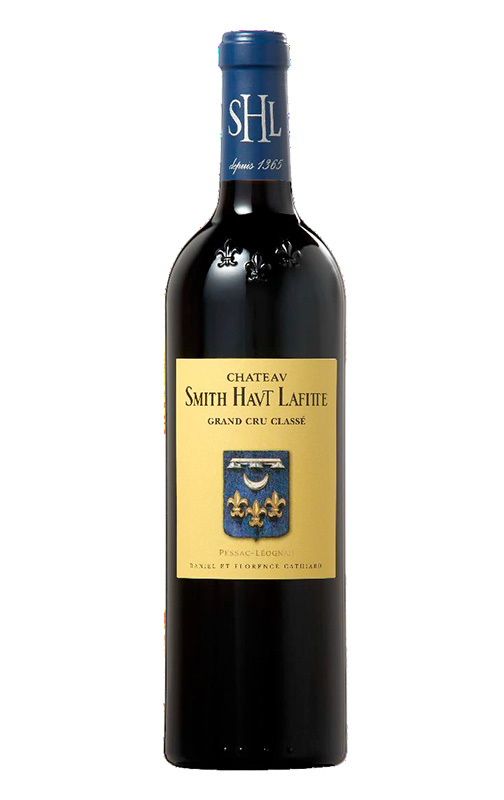
Château Smith Haut Lafitte 2023
Descrição
Um ícone de Bordéus proveniente de um dos châteaux mais importantes da região e de toda a França. Maduro, potente, concentrado, com uma densidade pura e um estilo majestoso revestido de frutas pretas perfumadas, notas de grafite e flores, volta a ser um dos grandes valores de Pessac-Léognan.
Informações de produto

Prova
Vinha e preparação
Avaliação dos peritos
This shows currant, tobacco and hazelnut aromas that follow through to a medium body with crunchy character and open-grain tannins that are velvety and so attractive. Graceful, friendly, crunchy and beautiful. The highest percentage ever of cabernet sauvignon in this wine. 70% cabernet sauvignon, 23% merlot, 6% cabernet franc and 1% petit verdot. From biodynamically grown grapes. Best after 2028.
95-97. Barrel Sample. With a much higher percentage of Cabernet Sauvignon than usual, because of problems with Merlot during the growing season, this is a rich wine with spice and dark-fruit aromas. It has a ripe character with swathes of pure black fruits. The wine is structured with a fine potential.
Confirming the impression it conveyed en primeur, the 2023 Smith Haut Lafitte is a superb effort, offering aromas of licorice, spices, dark berries, rose petals and clove. Medium- to full-bodied, dense and architecturally structured, it is built around a fleshy, concentrated core of fruit, supported by abundant, seamlessly integrated tannins, culminating in a long, mineral and penetrating finish. The decision to extend macerations—favoring gentle, prolonged extraction over short, forceful cuvaison—has endowed the wine with both textural refinement and the structural reserves to reward long cellaring.

A adega leva o nome do escocês George Smith, que comprou a propriedade no século XVIII.  


Colheitas: 2025 2024 2023 2022
Este vintage ainda não foi avaliado. Utilize a navegação abaixo para ver avaliações de vintages anteriores.
Este vintage ainda não foi avaliado. Utilize a navegação abaixo para ver avaliações de vintages anteriores.
Este vintage ainda não foi avaliado. Utilize a navegação abaixo para ver avaliações de vintages anteriores.
Este vintage ainda não foi avaliado. Utilize a navegação abaixo para ver avaliações de vintages anteriores.